October 11 – December 13, 2026 | 100% Online | Clinical Integration
The path to certification in the Shifaa Method begins not with more theory but with deeper presence, refined practice, and sincere commitment to the healing journey.

The Shifaa Method
Certification is more than a piece of paper — it’s a testament to your dedication and training in the Shifaa Method. It’s not about reaching perfection, it’s about being ready to step more fully into practice. At this stage, practitioners move from foundational learning into a supportive, hands-on format where real client work, compassionate supervision, and guided reflection become the core of the journey.
The Clinical Integration level is a virtual program which you complete with the same cohort of students over 3 months. During this time, you will develop confidence and refined skill in the Shifaa Method, receive personal supervision and feedback to help you take this method to your clinical practice.
Level 3 is for practitioners who feel ready to take their work to a deeper place where practice becomes more anchored, presence more embodied, and the method begins to feel like your own. With close guidance, personalized mentoring, and real-time feedback, this training offers a space to refine how you show up with clients, strengthen your intuitive confidence, and bring your practice into fuller alignment with the heart of The Shifaa Method.
Refine and deepen your implementation of the method through ongoing feedback loops.
Cultivate the confidence to align the method with your unique practitioner identity.
Receive the opportunity to earn certification as a Shifaa Method Practitioner, upon fulfillment of all certification requirements.
Enhance your therapeutic range in real time
Strengthen your capacity to adapt the method across populations
Note: While this level is required for those interested in future opportunities for teaching or supervising in the method, it is not a teacher training program.

This level is designed to bring the core competencies of The Shifaa Method into a state of integration where inner clarity and outer action become aligned. It is not about arriving at perfection, but about embodying authenticity, alignment, and a genuine readiness to be recognized as a certified practitioner.
Through this stage, you will naturally deepen and develop the following skills:

Advanced skill in applying the method with nuance, fluidity, and heart-presence.

Increased fluency in responding to resistance, dysregulation, and spiritual disconnection.

The capacity to adapt the method across various contexts: trauma, couples, groups, children.
01
fluent, flexible use of the Shifaa Method therapeutic arc in live sessions, adjusting pacing and sequencing in response to client process.
02
method-specific competencies with sound clinical judgment to formulate, intervene, and evaluate outcomes, clearly articulating the rationale behind choices in supervision.
03
a steady, compassionate therapeutic presence grounded in muḥāsabah and tazkiyat an-nafs, and address countertransference and blind spots through reflective practice.
04
supervisor and peer feedback across submissions, and evidence measurable skill progression over the program.
05
Share some details here for Service five. This is a flexible section where you can share anything you want. It could be details or some information about your service.
06
observed competency benchmarks that indicate readiness for certification—client safety, ethical conduct, fidelity to the method with adaptive flexibility, and reflective professionalism.
This level is by invitation and application only. Participants must:
01
You must have successfully completed Level 2 of The Shifaa Method. This ensures that you have a solid foundation in the method’s principles and practical frameworks before advancing to the next stage.
02
During the training period, you are expected to be actively working with a minimum of three clients. This requirement allows you to immediately apply what you’re learning in real-world settings, submit recorded sessions, and deepen your clinical confidence
03
Participants must continue to uphold their professional qualifications (as outlined in previous levels). This includes adhering to the ethical and licensing requirements of your respective field, ensuring that your practice remains aligned with professional and legal standards.
Level 2 is where you move from theory into practice. You’ll learn to apply the therapeutic arc, work within learning pods, and receive structured feedback. Level 3 on the other hand bridges understanding and real-world application.
While Level 2 introduces supervised practice and feedback, Level 3 shifts the focus entirely to supervision, feedback and evaluation. Here, you move beyond learning the method-you start embodying it.
Level 3 is not about adding more theory. Instead, it’s about refining your skills through repetition, real-time feedback, and personalized guidance, ensuring your application of the method becomes second nature.
In Level 3, you’ll submit recorded client sessions, and receive 1:1 supervision and mentoring. The pace is slower and more intentional, requiring deeper presence and a strong commitment to your growth as a practitioner.
This is not about doing more. It’s about doing it more authentically. Until the method begins to feel like your own
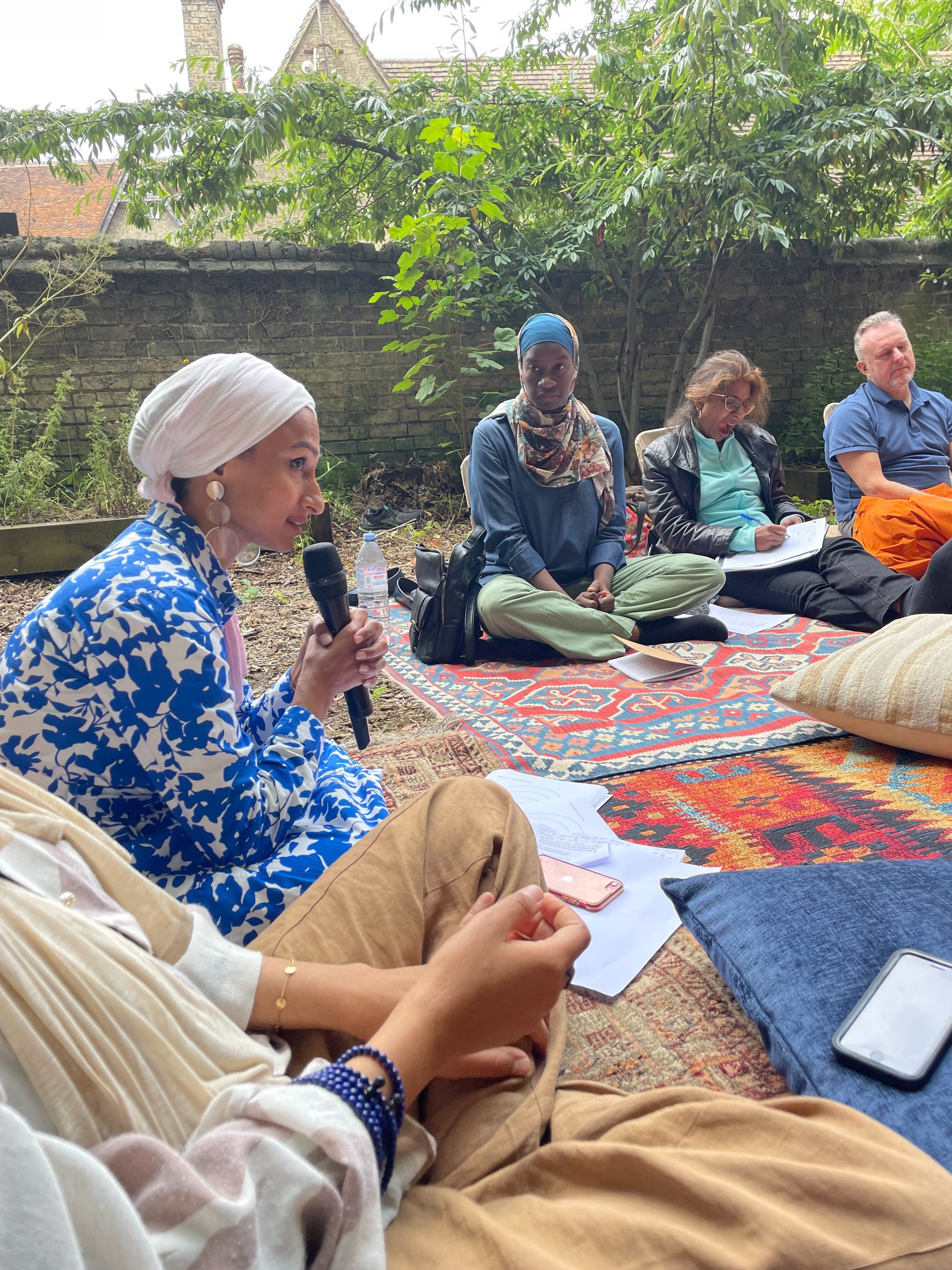


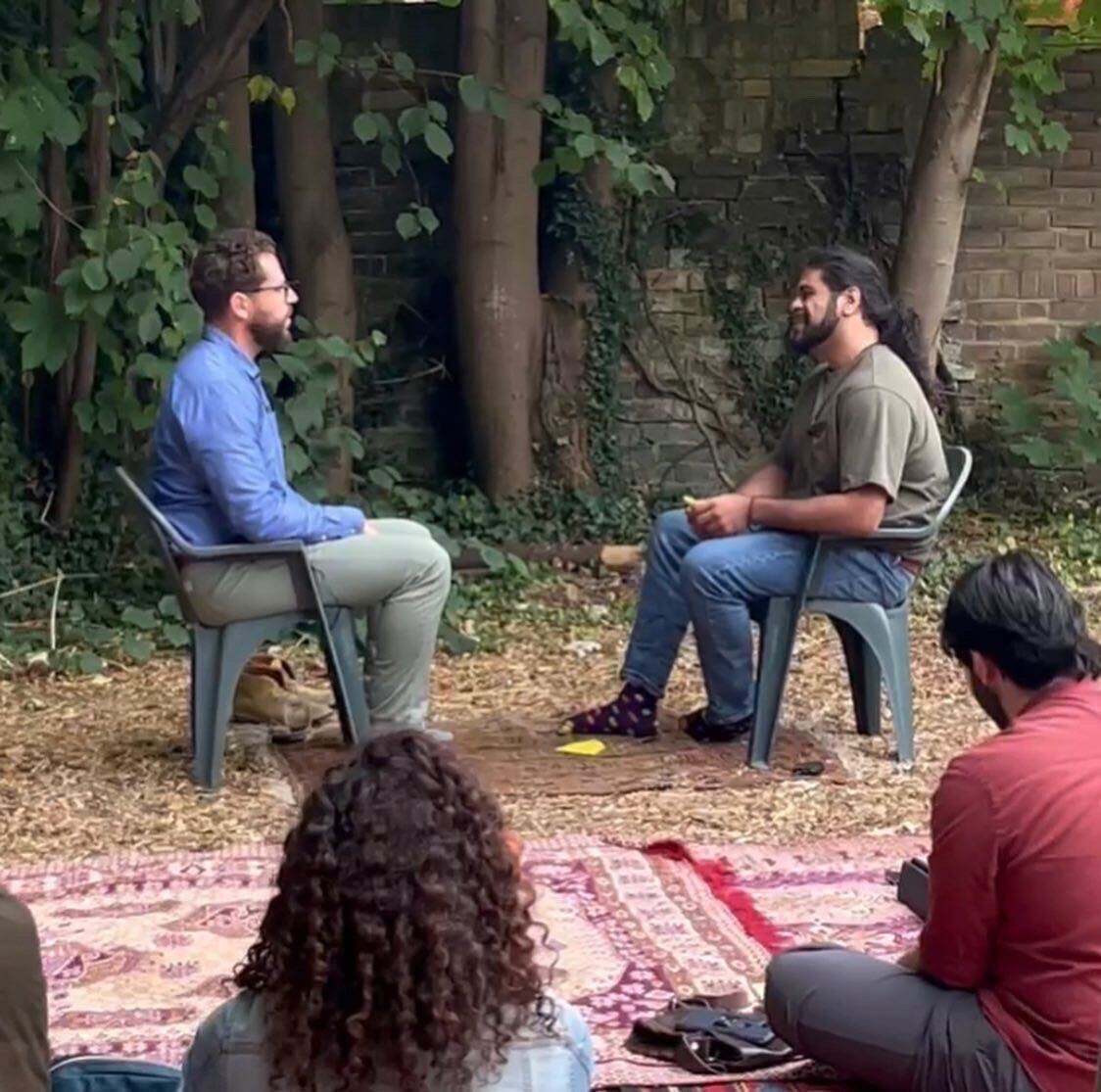

This cohort-based training is structured around real-time application, supervised feedback, and personalized growth.
Core Elements
Join live group sessions led by instructors to receive guidance, ask questions, and refine your application of the method through shared learning.
Discuss active cases with instructors and peers and receive case consultation and feedback for immediate application of the Shifaa Method.
Engage in small, peer-led sessions where you practice, reflect, and support each other’s growth without instructor presence—fostering confidence and self-direction.
Record and submit real client sessions demonstrating your use of the method. These serve as key milestones for supervision and feedback
Receive individualized mentoring with a supervisor to review your client sessions, identify growth areas, and support your unique development as a practitioner.
All sessions are live and will take place on Sundays: October 11, 18, 25, November 1, 8, 15, 22, 29 and December 6, 13 (2026). From 6-8pm UAE time
To complete this training and receive a certificate of completion, participants must:
Submit a recorded client session and demonstrate growth in the 9 competencies.
Actively participate in supervision and peer feedback sessions.
Show integration of the method into their personal practice and practitioner identity.
To become certified as a Shifaa Method Practitioner post Level 3 completion, participants must:
Complete 150 hours of direct client contact hours implementing the Shifaa method within minimum one year and maximum 3 years.
Complete 8 additional hours of supervision with a Shifaa supervisor over the course of obtaining their 150 hours
Shifaa certification qualifies graduates for IAIP certification.
Dates: October 11 – December 13, 2026
Format: Sundays 6:00-8:00pm UAE time (online)
Class Dates:
October 11 · October 18 · October 25 · November 1 · November 8 · November 15 · November 22 · November 29 · December 6 · December 13
We’ve structured the tuition to reflect the depth of mentorship, supervision, and practitioner development offered at this final stage of training.
Standard Price: $2,500 USD
Early Bird (15% Off): $2,125 USD
Available until May 30, 2026
Options available to bundle multiple training levels for further discount
Flexible payment plans are available at checkout
Is there an in-person component for Level 3
No. Level 3 is delivered entirely online to allow for maximum accessibility while maintaining the depth of guidance and supervision required for certification. All sessions, mentoring, and supervision are conducted virtually.
Do I need to have completed Level 2 to apply for Level 3?
Yes. Completion of Level 2 is a strict requirement for admission into Level 3. This ensures that all participants share a common foundation before moving into the advanced, supervision-based format.
Will there be any new theory taught in Level 3
Level 3 is not focused on introducing new theory. Instead, it emphasizes integration, practice, and refinement. Most of the learning happens through real-time application, personalized feedback, and supervised mentoring.
What happens if I don’t meet the certification requirements?
If your final submission does not meet competency standards, you will have 60 days to submit a revised recording and one additional opportunity for review. Our goal is to support your growth, not to create barriers, so guidance will be provided throughout the process.
What are the registration deadlines and early bird details?
Early bird registration offers a 15% discount (tuition: $2,125 USD instead of $2,500) for those who register their spot by May 30. Regular registration closes on September 30, or when the cohort reaches capacity.
What is the refund policy?
Deposits are non-refundable. Partial refunds (excluding deposit) are available until u003cstrongu003eOctober 31, 2025u003c/strongu003e. No refunds will be issued once the program begins.
Join our mailing list to stay up to date.
Emergencies: If you or someone else is feeling suicidal or in immediate crisis – do not use this website. These resources can provide you with immediate help worldwide.
Thank you for using our services.
Log in or create a free membership account to begin your journey inward.