
×

The Shifaa Method Level 1

Theoretical Foundations

Theoretical Foundations

The journey into the Shifaa Method begins not with technique—but with paradigm shift, deep reflection, and a sincere opening of the heart.

100% Online | Foundational Training Format

What is the

Shifaa Method

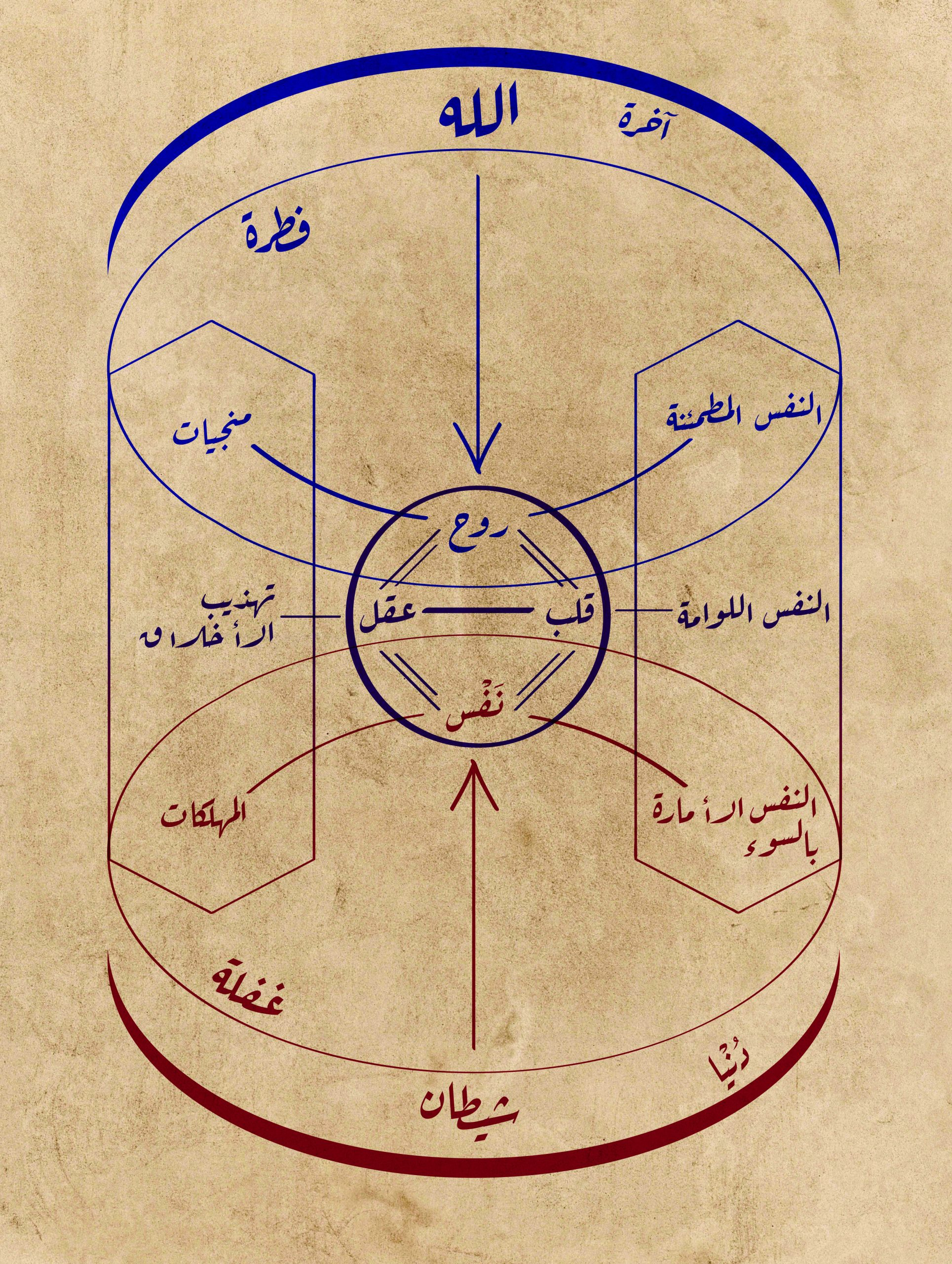
The Shifaa Method is a therapeutic modality that integrates Islamic spiritual principles with somatic awareness and heart-centered therapeutic techniques. Currently in the process of being written as a book, this groundbreaking approach builds upon the theoretical model of Islamic psychology and psychotherapy developed by Dr. Abdallah Rothman (Rothman, 2018). The method offers a structured framework for practice that addresses the unity of body (jism), mind (‘aql), soul (nafs), heart (qalb), and spirit (ruh).

Practitioner Training

The Shifaa Method Training Program

A highly experiential educational journey, offering tangible skills that can be integrated into professional practice immediately. The complete pathway consists of three levels.

You are in Level 1 of 3
  1. Introduces the theoretical and foundational aspects of the Shifaa Method, including specific principles of Islamic psychology based on prior theory development, with the addition of initial somatic awareness and heart‑centred interventions.

  2. Advances practitioners’ skills through detailed instruction on each stage of the method’s therapeutic arc. It includes practice sessions, peer learning pods, structured feedback, case studies, and clinical application.

  3. Focuses on refinement and advanced demonstration of competencies. Practitioners deepen their proficiency of the method through supervised recorded practice, direct feedback, and integration of the method across diverse clinical and coaching contexts.

Why Begin with the Foundations?

Level 1 is the gateway into the Shifaa Method—a heart-centered, somatic approach to healing rooted in the Islamic tradition. This foundational training introduces the core theoretical framework of the method while gently inviting participants into their own inner process of transformation.


Designed for practitioners who feel called to align their healing work with a more spiritually integrated approach, Level 1 reorients therapeutic practice around the heart. It emphasizes presence over protocol, being over doing, and integration over information.

More than simply learning a new method, participants are invited to begin a personal journey of psycho-spiritual reflection. While this stage does not require deep personal reflection, it does ask for honesty, humility, and an openness to inner work. The path of the Shifaa Method begins with the practitioner’s own heart.

Who it’s for

Who is the Training For?

  • Clinicians and Therapists

    Psychologists, counselors, psychotherapists, and mental health professionals who want to integrate an Islamic psychology–based, heart‑centered modality into their clinical work.

  • Practitioners in Helping Professions

    Coaches, caregivers, educators, and community workers who accompany others in processes of change and want a more embodied, spiritually anchored method.

  • Students and Trainees

    Those in training or transition who intend to work therapeutically in the future and are seeking a clear, ethically grounded pathway of formation in this modality.

What You Will Gain?

Level 1 is not yet about full implementation—it is about orientation, alignment, and internalization. It introduces a new paradigm of healing that integrates Islamic principles, somatic presence, and heart-centered reflection.


Through this training, you will begin to develop.

Foundational Theoretical Knowledge

Understand the Islamic model of the soul, Islamic epistemology and ontology, and how these differ from secular paradigms in therapy.

Conceptual Tools

Begin to assess cases and formulate treatment plans using the Islamic model of the soul as a scaffolding for understanding client experience.

Reflective Capacity

Cultivate critical thinking and self-reflection as a core component of therapeutic presence and ethical alignment.

Contemplative Practice

Experience Islamic contemplative practices as tools for regulation, grounding, and inner clarity—first for yourself, then eventually with clients.


Learning Outcomes

Understand

Core Islamic epistemology and ontology of the self (nafs, qalb, ‘aql, rūḥ, fitrah) and compare these with dominant Western paradigms, noting implications for practice.

Apply

An Islamic model of the soul to basic case conceptualization, assessment, diagnosis and treatment.

Understand

Core Islamic epistemology and ontology of the self (nafs, qalb, ‘aql, rūḥ, fitrah) and compare these with dominant Western paradigms, noting implications for practice.

Differentiate

Issues that warrant consultation or referral (e.g., to religious scholars or community resources) and maintain scope of practice, safeguarding, and informed consent within an Islamic ethical frame.

Key Themes &

Topics

Explore the essential themes, principles, and knowledge that form the foundation for the journey ahead.

Islamic Theoretical Foundations

Core principles of Islamic psychology, ontology, and spiritual understanding of the human being.

Comparative Look at Secular Models

Exploring the differences between Western psychological paradigms and Islamic conceptions of the self

Assessment, Diagnosis, and Treatment

Introducing how to understand and approach healing through the Islamic model of the soul.

Introduction to the Shifaa Method (Principles, Arc)

A first look at the structure, flow, and foundational principles of the Shifaa therapeutic process.

Contemplative Practice

Engaging the heart through Islamic contemplative and somatic exercises for inner awareness and presence.

Structure &

Curriculum

This training offers a gentle but deep immersion into the conceptual and spiritual foundations of the method. Participants will engage with:

Live Lectures and Group Sessions

The heart of the program—these interactive sessions are where key concepts are taught, discussed, and explored in real time with instructors and peers.

Breakout Group Discussions

Held during live sessions, these small group reflections offer space to process and integrate the material through shared dialogue.

Guided Practices

Guided practices, designed to support deeper self-awareness, embodied learning, and a more personal engagement with the work.

Pre-recorded Lectures

Preparatory lessons that introduce key foundational concepts before each live session, allowing participants to arrive with a shared understanding and make the most of the time spent learning and engaging together.

Readings and Assignments

Carefully curated readings, reflective journal prompts, and introductory case conceptualization exercises to ground the learning.

Certification &

Evaluation

This level does not offer certification in the method. Upon successful completion of the program, you will receive a:
Certificate of Completion (Level 1: Foundations of the Shifaa Method)

Participants are expected to attend live sessions and complete all assignments. There are no recorded client sessions submitted for feedback and supervision or competency assessments at this stage.

This certificate does not authorize you to teach, supervise, or practice the method as a certified Shifaa practitioner. Full certification requires completion of Levels 2 & 3.

Program Details

Program Duration:

April 5 – June 21, 2026 (12 weeks)

Format:

A blended learning experience combining live sessions, self-paced study, and peer-based learning.

Live Online Sessions:

Sundays, 2:00-4:00 PM (UK time)/ 9:00–11:00 AM (US Eastern time)
Led by instructors in an interactive, reflective format.

Class Dates:

April 5, 12, 19, 26

May 3, 10, 17, 24, 31
June 7, 14, 21

Additional Components:

Weekly assignments and guided reflections to deepen understanding and integration.

Completion Requirements

To complete Level 1 and progress to the next stage of the training, participants must:

  • Complete 100% of the Online Learning Platform
  • Attend the live sessions, with a maximum of three absences
  • Submit the required case study

Tuition & Payment Options

We’ve structured the tuition to reflect the depth of live instruction, practice, and guided learning offered in this first stage of the training.

Standard Price: $2500 

Options available to bundle multiple training levels for further discount

Your Trainers

The Shifaa Method was developed by Dr. Abdallah Rothman as a response to a growing need for a therapeutic approach that honors the full reality of the human being — the heart, soul, intellect, and body. Drawing on Islamic spiritual psychology and years of clinical practice, the method offers a structured yet deeply human way of working with inner healing and transformation.

Saman Hussain

senior trainer

A seasoned practitioner, coach, and facilitator. Saman brings 15+ years of experience facilitating group process and leading trainings

Areas of Focus:

Dr. Abdallah Rothman

founder & lead trainer

Dr. Rothman is a PhD psychologist and academic who developed the Shifaa Method over 20 years of practice and research. He bridges classical Islamic psychology with contemporary therapeutic practice

Areas of Focus:

The Shifaa Method Training Program

The Shifaa Method Training is a highly experiential educational journey, offering tangible skills that can be immediately integrated into professional practice. The complete training pathway consists of three levels:

Level 1

Introduces the theoretical and foundational aspects of the Shifaa Method, including specific principles of Islamic psychology based on prior theory development, with the addition of initial somatic awareness and heart-centered interventions.

Level 2

Advances practitioners’ skills through detailed instruction on each stage of the method’s therapeutic arc. It includes practice sessions, peer learning pods, structured feedback, case studies, and clinical application.

Level 3

Focuses on refinement and advanced demonstration of competencies. Practitioners deepen their proficiency of the method through supervised recorded practice, direct feedback, and integration of the method across diverse clinical and coaching contexts.
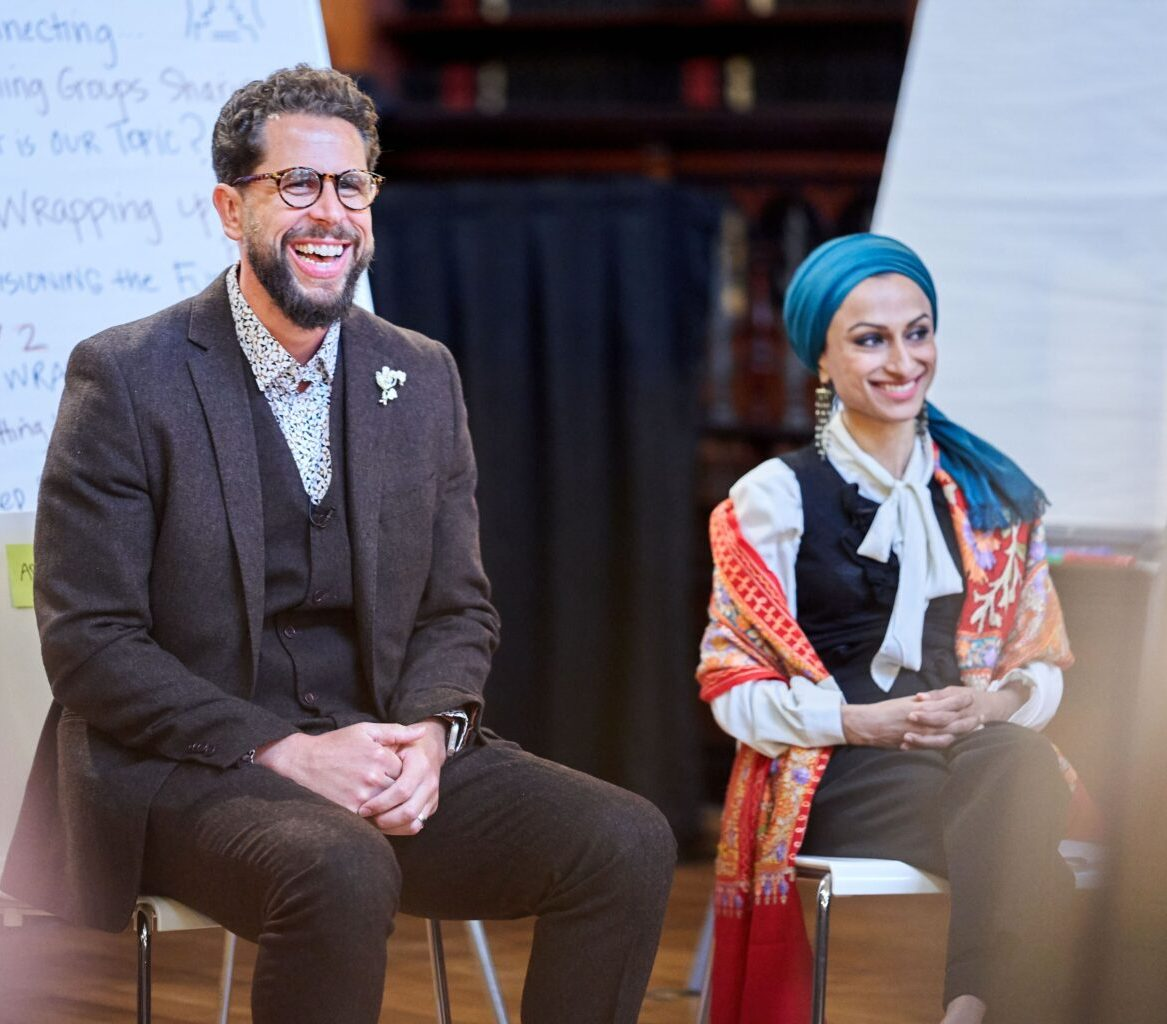

Dr. Abdallah Rothman:

Founder and Director of Dar al-Shifaa, with 20+ years of experience in mental health and wellbeing, Head of Islamic Psychology at Cambridge Muslim College, and President of the International Association of Islamic Psychology. Dr. Abdallah holds an MA and PhD in psychology and is a Licensed Professional Counselor, his holistic approach engages heart, mind, body and spirit in healing.

Saman Hussain:

A coach, counselor, mediator, and group facilitator with 15+ years of experience in individual and group facilitation and healing. Saman holds an MS in Clinical Mental Health Counseling, is an ICF accredited PCC coach, a certified practitioner with the International Association of Islamic Psychology and instructor for Principles of Islamic Psychology in Practice at Cambridge Muslim College

Who is the Training For?

Clinicians and Therapists

Psychologists, counselors, psychotherapists, and mental health professionals who want to integrate an Islamic psychology–based, heart-centered modality into their clinical work.

Practitioners in Helping Professions

Coaches, caregivers, educators, and community workers who accompany others in processes of change and want a more embodied, spiritually anchored method.

Students and Trainees

Those in training or transition who intend to work therapeutically in the future and are seeking a clear, ethically grounded pathway of formation in this modality.

Questions You
Might Have

Choose How You’d Like to Learn

Some of us need flexibility. Others thrive with structure and community. Both are valid.

1

Learn on your own schedule

Webinars

Start when you're ready, progress at your pace. Perfect if you need flexibility while still wanting depth and structure.


✓ Start Anytime ✓ Lifetime Access ✓ Go At Your Rhythm
Browse Webinars
2

Learn together in real-time

Guided Programs

Self-Paced

Join a cohort for weekly live sessions. Ideal if you thrive with accountability, community, and direct access to teachers.

✓ Weekly Live Sessions ✓ Community Cohort ✓ Direct Interaction

Live

Join a cohort for weekly live sessions. Ideal if you thrive with accountability, community, and direct access to teachers.

✓ Weekly Live Sessions ✓ Community Cohort ✓ Direct Interaction

Register

Create your free account.

Password strength: Too weak
  • At least 8 characters
  • One uppercase letter
  • One lowercase letter
  • One number
  • One special character
Already have an account?

Confirm Your Email

Enter the six-digit code sent to .

Code expires in 15:00
Didn’t receive it?

Forgot Password

Enter your email to receive a verification code.

Reset Password

Enter the code sent to your email.

✓

Product Added to Cart

Product added successfully.

Go to Checkout
Your Cart Review your selected items

Cart is empty

×

Your Membership Has Been Canceled

Thank you for using our services.

Redirecting to Zoom registration...