The path to certification in the Shifaa Method begins not with more theory but with deeper presence, refined practice, and sincere commitment to the healing journey.
The path to certification in the Shifaa Method begins not with more theory but with deeper presence, refined practice, and sincere commitment to the healing journey.
100% Online | 10 live weekly sessions

The Shifaa Method is a therapeutic modality that integrates Islamic spiritual principles with somatic awareness and heart-centered therapeutic techniques. Currently in the process of being written as a book, this groundbreaking approach builds upon the theoretical model of Islamic psychology and psychotherapy developed by Dr. Abdallah Rothman (Rothman, 2018). The method offers a structured framework for practice that addresses the unity of body (jism), mind (‘aql), soul (nafs), heart (qalb), and spirit (ruh).
The Shifaa Method is a therapeutic modality that integrates Islamic spiritual principles with somatic awareness and heart-centered therapeutic techniques. Currently in the process of being written as a book, this groundbreaking approach builds upon the theoretical model of Islamic psychology and psychotherapy developed by Dr. Abdallah Rothman (Rothman, 2018). The method offers a structured framework for practice that addresses the unity of body (jism), mind (‘aql), soul (nafs), heart (qalb), and spirit (ruh).
Three levels, taken in sequence, from first principles to certified practice.
First level · Online
You leave with the theory and first practices of the method.
Explore Level One →Before Level 3 · Seven days, in person
You leave with the full therapeutic arc, practised end to end.
Explore Level Two →Your current level · Live online
You leave with the pathway to Shifaa Method certification.
Level 2 focuses on learning and practising the method. Level 3 is about refining how you apply it, deepening your capacity through real client work, supervision, and ongoing practice until the method begins to feel more fully integrated into your own way of working.
Level 2 is where you move from theory into practice. You’ll learn to apply the therapeutic arc, work within learning pods, and receive structured feedback. Level 3 on the other hand bridges understanding and real-world application.
While Level 2 introduces supervised practice and feedback, Level 3 shifts the focus entirely to supervision, feedback and evaluation. Here, you move beyond learning the method-you start embodying it.
Introducing how to understand and approach healing through the Islamic model of the soul.
In Level 3, you’ll submit recorded client sessions, and receive 1:1 supervision and mentoring. The pace is slower and more intentional, requiring deeper presence and a strong commitment to your growth as a practitioner.
This is not about doing more. It’s about doing it more authentically. Until the method begins to feel like your own
This level is by invitation and application only. Participants must:
You must have successfully completed Level 2 of The Shifaa Method. This ensures that you have a solid foundation in the method’s principles and practical frameworks before advancing to the next stage.
During the training period, you are expected to be actively working with a minimum of three clients. This requirement allows you to immediately apply what you’re learning in real‑world settings, submit recorded sessions, and deepen your clinical confidence.
Participants must continue to uphold their professional qualifications (as outlined in previous levels). This includes adhering to the ethical and licensing requirements of your respective field, ensuring that your practice remains aligned with professional and legal standards.
Level 3 brings the core competencies of the Shifaa Method into integration, aligning inner clarity with outer action. It’s about embodying authenticity and readiness to be recognized as a certified practitioner, not achieving perfection.
Advanced skill in applying the method with nuance, fluidity, and heart-presence.
Increased fluency in responding to resistance, dysregulation, and spiritual disconnection.
The capacity to adapt the method across various contexts: trauma, couples, groups, children.
Through this stage, you will naturally deepen and develop the following skills:
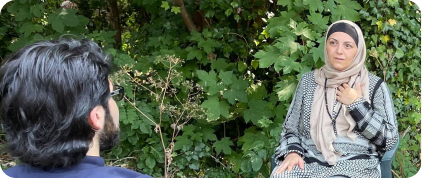
Advanced skill in applying the method with nuance, fluidity, and heart-presence.
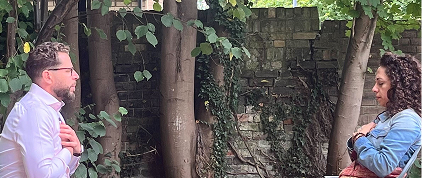
Increased fluency in responding to resistance, dysregulation, and spiritual disconnection.
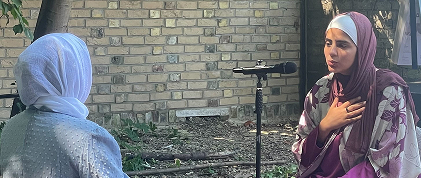
The capacity to adapt the method across various contexts: trauma, couples, groups, children.
fluent, flexible use of the Shifaa Method therapeutic arc in live sessions, adjusting pacing and sequencing in response to client process.
method-specific competencies with sound clinical judgment to formulate, intervene, and evaluate outcomes, clearly articulating the rationale behind choices in supervision.
a steady, compassionate therapeutic presence grounded in muḥāsabah and tazkiyat an-nafs, and address countertransference and blind spots through reflective practice.
supervisor and peer feedback across submissions, and evidence measurable skill progression over the program.
apply the Shifaa Method with increasing fluency and discernment in real client work, adapting its principles to the needs, context, and unfolding process of each client.
observed competency benchmarks that indicate readiness for certification—client safety, ethical conduct, fidelity to the method with adaptive flexibility, and reflective professionalism.
This training offers a gentle but deep immersion into the conceptual and spiritual foundations of the method. Participants will engage with:
Join live, instructor-led sessions with the full cohort to explore advanced topics, deepen your understanding of the method, and integrate your learning across the program.
Discuss active cases with instructors and peers and receive case consultation and feedback for immediate application of the Shifaa Method.
Join small group sessions to refine your application of the method through observed pair practice and receive live feedback from instructors.
Engage in small, peer-led sessions where you practice, reflect, and support each other’s growth without instructor presence—fostering confidence and self-direction.
Meet individually with a mentor to explore your development as a practitioner, ask questions, and receive personal guidance on applying the Shifaa Method.
Practice core wound work in confidential pairs with a fellow participant, deepening your skill through shared, hands-on practice while working on your own personal development.
Record and submit real client sessions demonstrating your use of the method. These serve as key milestones for supervision and feedback.
Receive individualized mentoring with a supervisor to review your client sessions, identify growth areas, and support your unique development as a practitioner.
Dr. Rothman and Saman Hussain co-designed the Shifaa Method training to help practitioners embody its principles in their lives and clinical practice through experiential learning and reflective practice.

A A seasoned practitioner, coach, facilitator and mediator. Saman brings 17+ years of experience facilitating group process and designing and leading transformative and embodied experiential learning.

Dr. Rothman is a PhD psychologist and academic who developed the Shifaa Method over 20 years of practice and research. He bridges classical Islamic psychology with contemporary therapeutic practice.
Dr. Rothman and Saman Hussain co-designed the Shifaa Method training to help practitioners embody its principles in their lives and clinical practice through experiential learning and reflective practice.
A seasoned practitioner, coach, facilitator and mediator. Saman brings 17+ years of experience facilitating group process and designing and leading transformative and embodied experiential learning
Dr. Rothman is a PhD psychologist and academic who developed the Shifaa Method over 20 years of practice and research. He bridges classical Islamic psychology with contemporary therapeutic practice
Certificate of Completion
To complete this training and receive a certificate of completion, participants must:
To complete Level 3 of the Shifaa Method training, participants must:
October 25, 2027 – January 24, 2028
A blended learning experience combining live sessions, 1:1 mentorship, and peer-based learning.
Every Monday
Sessions run from October 2027 through January 2028, with a short break over the last two Mondays of December and no classes during that period.
January dates: 2028.
Additional readings and guided reflections to deepen understanding and integration.
Completing Level 3 opens the certification pathway. To be certified as a Shifaa Method Practitioner, participants complete two further requirements:
150 hours of direct client contact implementing the Shifaa Method in your own practice.
Completed over 1–3 yearsEight additional hours of supervision, taken across the course of your 150 client hours rather than in a single block.
Shifaa certification qualifies graduates for IAIP certification.
We’ve structured the tuition to reflect the depth of live instruction, practice, and guided learning offered in this first stage of the training.
Standard Price: $3,000 USD
Options available to bundle multiple training levels for further discount
Flexible payment plans are available at checkout

If you don’t find your answer here, we’re happy to talk. Email us at info@dar-al-shifaa.com, and our team will be happy to help.
Core Islamic epistemology and ontology of the self (nafs, qalb, ‘aql, rūḥ, fitrah) and compare these with dominant Western paradigms, noting implications for practice.
An Islamic model of the soul to basic case conceptualization, assessment, diagnosis and treatment.
Issues that warrant consultation or referral (e.g., to religious scholars or community resources) and maintain scope of practice, safeguarding, and informed consent within an Islamic ethical frame.
Explore the essential themes, principles, and knowledge that form the foundation for the journey ahead.
Core principles of Islamic psychology, ontology, and spiritual understanding of the human being.
Exploring the differences between Western psychological paradigms and Islamic conceptions of the self
Introducing how to understand and approach healing through the Islamic model of the soul.
A first look at the structure, flow, and foundational principles of the Shifaa therapeutic process.
Engaging the heart through Islamic contemplative and somatic exercises for inner awareness and presence.
This training offers a gentle but deep immersion into the conceptual and spiritual foundations of the method. Participants will engage with:
The heart of the program—these interactive sessions are where key concepts are taught, discussed, and explored in real time with instructors and peers.
Held during live sessions, these small group reflections offer space to process and integrate the material through shared dialogue.
Guided practices, designed to support deeper self-awareness, embodied learning, and a more personal engagement with the work.
Preparatory lessons that introduce key foundational concepts before each live session, allowing participants to arrive with a shared understanding and make the most of the time spent learning and engaging together.
Carefully curated readings, reflective journal prompts, and introductory case conceptualization exercises to ground the learning.
This level does not offer certification in the method. Upon successful completion of the program, you will receive a: Certificate of Completion (Level 1: Foundations of the Shifaa Method)
Participants are expected to attend live sessions and complete all assignments. There are no recorded client sessions submitted for feedback and supervision or competency assessments at this stage.
This certificate does not authorize you to teach, supervise, or practice the method as a certified Shifaa practitioner. Full certification requires completion of Levels 2 & 3.
April 5 – June 21, 2027 (12 weeks)
A blended learning experience combining live sessions, self-paced study, and peer-based learning.
Sundays, 2:00-4:00 PM (UK time)/ 9:00–11:00 AM (US Eastern time) Led by instructors in an interactive, reflective format.
April 5, 12, 19, 26
May 3, 10, 17, 24, 31
June 7, 14, 21
Weekly assignments and guided reflections to deepen understanding and integration.
This training offers a gentle but deep immersion into the conceptual and spiritual foundations of the method. Participants will engage with:
Join live group sessions led by instructors to receive guidance, ask questions, and refine your application of the method through shared learning.
Discuss active cases with instructors and peers and receive case consultation and feedback for immediate application of the Shifaa Method.
Engage in small, peer-led sessions where you practice, reflect, and support each other’s growth without instructor presence—fostering confidence and self-direction.
Record and submit real client sessions demonstrating your use of the method. These serve as key milestones for supervision and feedback
Receive individualized mentoring with a supervisor to review your client sessions, identify growth areas, and support your unique development as a practitioner.
Emergencies: If you or someone else is feeling suicidal or in immediate crisis – do not use this website. These resources can provide you with immediate help worldwide.
© 2026 Dar al-Shifaa, a project of DAR Labs. All rights reserved.
© 2026 Dar al-Shifaa, a project of DAR Labs. All rights reserved.
Some of us need flexibility. Others thrive with structure and community. Both are valid.
Learn on your own schedule
Start when you're ready, progress at your pace. Perfect if you need flexibility while still wanting depth and structure.
Learn together in real-time
Join a cohort for weekly live sessions. Ideal if you thrive with accountability, community, and direct access to teachers.
Join a cohort for weekly live sessions. Ideal if you thrive with accountability, community, and direct access to teachers.
Login to your account.
Create your free account.
Enter the six-digit code sent to .
Enter your email to receive a verification code.
Enter the code sent to your email.
Thank you for using our services.
Log in or create a free membership account to begin your journey inward.
Redirecting to Zoom registration...
Create a free account to access selected content, save your favorites, and track your progress. Already have an account? Sign in below.