


×

What is the
Shifaa Method?

An integrated approach to healing rooted in Islamic Psychology and the science of the soul.

The Shifaa Method brings together Islamic teachings, psychological understanding, spiritual practice, and embodied awareness to support a deeper understanding of the human being and the journey of healing.

Rather than focusing only on symptoms, the method attends to the inner life of the person, exploring the heart, soul, mind, body, and the relationships between them. It offers a framework for understanding ourselves more deeply and cultivating the conditions for meaningful transformation.

A Whole-Person Approach to Healing

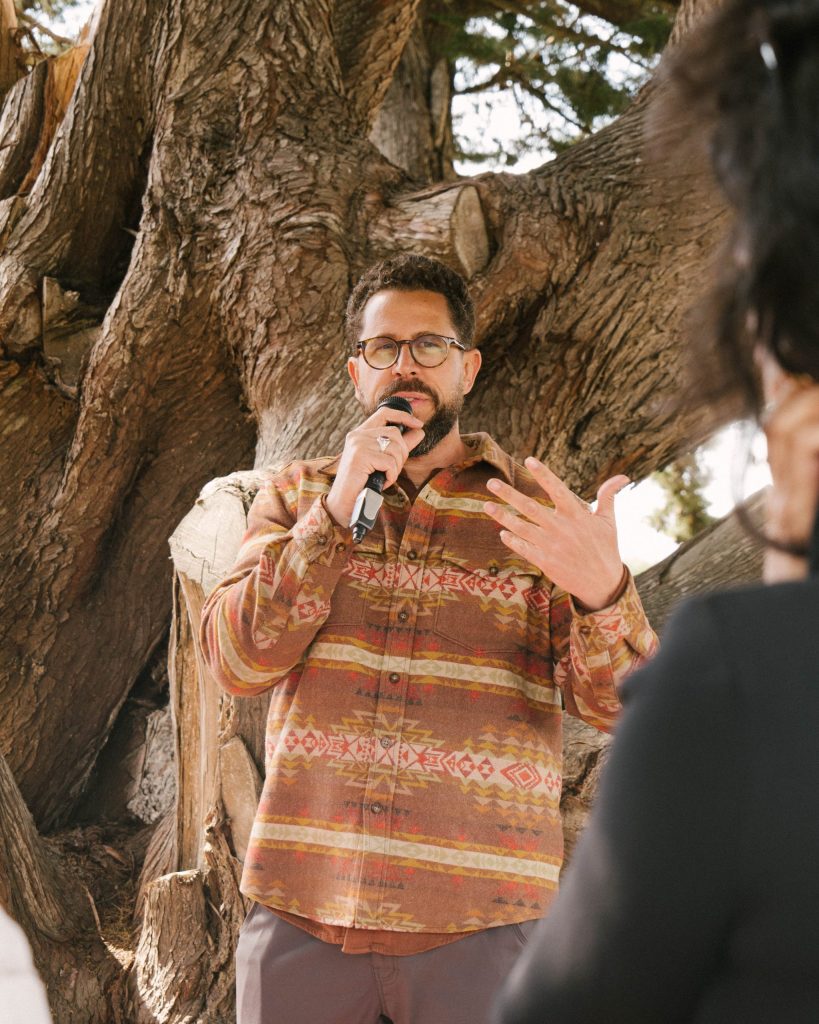
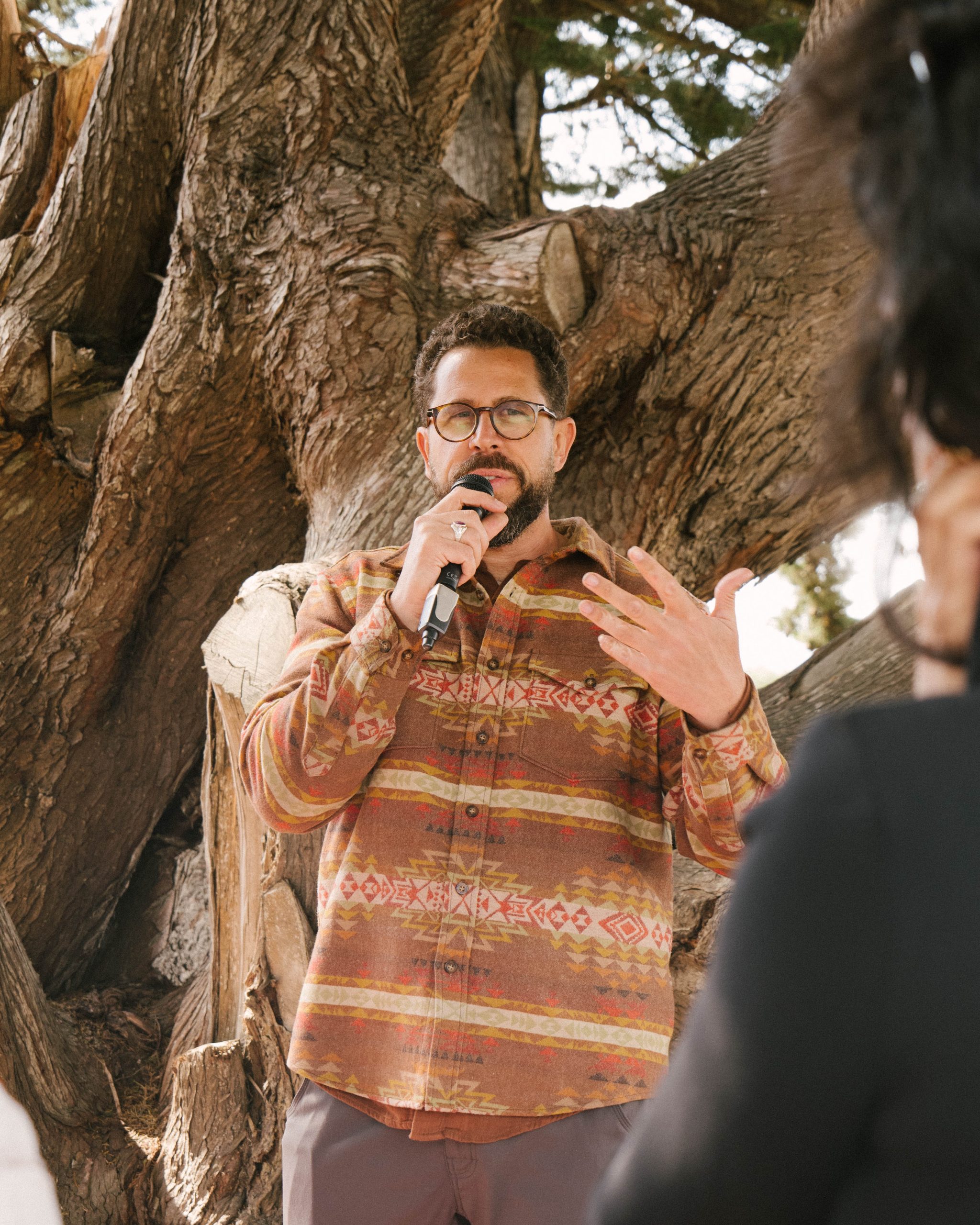
Developed by Dr. Abdallah Rothman, the Shifaa Method brings together his years of clinical practice, scholarship, and engagement with the Islamic tradition into an integrated approach to understanding the human being and the process of healing.

The method offers a framework for working with the heart, soul, mind, and body, drawing on the depth of Islamic Psychology while engaging with contemporary therapeutic practice. It is grounded in the belief that meaningful healing begins with a deeper understanding of who we are and how the different dimensions of our being are connected.


Islamic Foundation

Rooted in the Islamic understanding of the human being, the soul, and the path of transformation.

Whole-Person Healing

Attending to the interconnected dimensions of heart, soul, self, intellect, and body.

Adaptive Practice

Drawing thoughtfully from contemporary therapeutic approaches while responding to the needs and context of each person.

The Model of the Soul

The Shifaa Method is grounded in an Islamic understanding of the human being and the development of the soul.

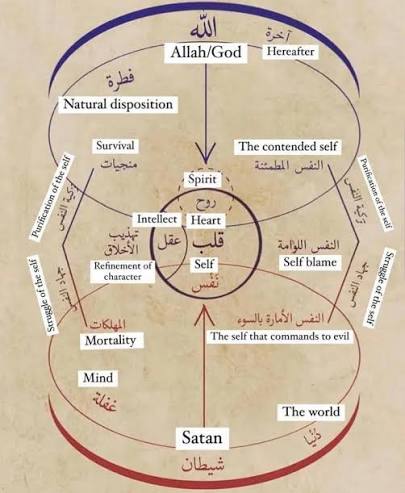
Developed through Dr. Abdallah Rothman’s research, this model brings together the heart (qalb), mind (‘aql), self (nafs), and spirit (ruh) as manifested in the body (jism), within a wider understanding of natural human disposition (fitrah), the Divine, and the world in which we live. It offers a way of understanding the inner dynamics of the human being and the forces that can move us toward or away from our innate nature.

At the center of the model is the qalb, understood as the spiritual center of the person, embodied in the chest, with the capacity to move toward the lower impulses of the nafs or toward the higher nature of the ruh. The path of development involves purification of the soul, struggle, and refinement of character, with the aim of moving toward greater alignment with inner and outer fitrah.

This model provides an important foundation for understanding how the Shifaa Method approaches psychological, spiritual, and human development.


What kind of being is the human being?

At its foundation is a simple but deeply important question

Holistic embodiment

The method begins from an Islamic understanding of the human being as a single, interconnected reality. Rather than separating the physical, psychological, and spiritual dimensions of a person, it understands the jism, nafs, qalb, ʿaql, and rūḥ as dimensions of one living whole. What happens in one dimension inevitably affects the others.

Everything we offer is an expression of this approach, rooted in the Islamic tradition and shaped by Dr. Abdallah Rothman’s ongoing work in Islamic Psychology.


At its foundation is a simple but deeply important question

What kind of being is the human being?

rūḥ ʿaql jism nafs qalb

The first principle of the method

Holistic embodiment

The method begins from an Islamic understanding of the human being as a single, interconnected reality. Rather than separating the physical, psychological, and spiritual dimensions of a person, it understands the jism, nafs, qalb, ʿaql, and rūḥ as dimensions of one living whole. What happens in one dimension inevitably affects the others.

Learn more about The Principles of the Shifaa Method
The Human Being

The Dimensions of the Human Being

Ruh Jism ‘Aql Nafs Qalb

Qalb

Heart

The qalb is central to our inner life. It is where perception, intention, meaning, and transformation unfold, and where our relationship with ourselves and the Divine is experienced.

Ruh

Spirit

The ruh points to the spiritual dimension of the human being and our relationship with the Divine. It speaks to something deeper than our psychological experience and to the sacred dimension of human existence.

Nafs

Self

The nafs is the dimension through which we experience desire, struggle, attachment, and development. Its refinement is part of the ongoing journey toward greater awareness and wholeness.

‘Aql

Intellect

The ‘aql is our capacity to understand, reflect, discern, and make meaning. It allows us to engage our experience with awareness and to distinguish between what benefits and what harms.

Jism

Body

The body is an essential dimension of our human experience. It is where we encounter the world, carry our experiences, and often experience what is taking place within our inner life.

This shapes the way the Shifaa Method approaches suffering and healing. A person cannot be understood simply through their symptoms, behaviors, or psychological experiences. The work is about seeing the person within the fullness of their lived experience and understanding how these different dimensions come together.

Who must hold this work?

At the heart of the method is presence: the practitioner’s ability and willingness to stay with what is present rather than immediately trying to isolate, explain, or manage it. This calls for a spacious and attentive way of working, grounded in the heart and informed by ethical and spiritual discernment.

Read more about Islamic Approach to Living Fully and Spiritually Awake

The method also recognizes that therapeutic work is not only about what the practitioner does. It is about how the practitioner learns to be in the therapeutic encounter. Developing this capacity requires ongoing cultivation of embodied attentiveness, spiritual orientation, and the qalb.

 
Spiritual and physical dimensions Two overlapping circles drawn as outlines, representing the spiritual and physical dimensions of the human being, with the area where they meet shaded.
Spiritual · Physical

The human being cannot be understood by looking only at the mind. To understand the human being, we must understand the soul.

Dr. Abdallah Rothman

The Principles of
the Shifaa Method

The Principles of
the Shifaa Method

Five principles hold the work together. They are not techniques. They are what a practitioner returns to when the room becomes difficult and there is no obvious next step.

Holistic Embodiment

The human being is not a set of parts to be treated separately. Body, heart, mind, soul and spirit move together, and what surfaces in one is rarely only about that one. The work holds all of it at once.

Fitrah Alignment

Healing is not the construction of a better self. It is a return to what the person was created upon. This gives the work a direction, not wellness as an endpoint, but alignment with a nature that is already there.

Soul Development

The person is not a problem to be resolved. They are a soul in motion. Refinement of the nafs and the slow work of tazkiyah continue long after the presenting difficulty has settled, and therapy is one stretch of a much longer road.

Transformative Adversity

Difficulty is not treated only as a malfunction to be cleared away. Hardship can open what ease does not. This is never a reason to remain in harm, it is a refusal to treat what a person has carried as meaningless.

Mercy Rooted

Rahma is the ground the work stands on. It shapes how the practitioner meets the person, and it shapes what the person learns to extend to themselves. Shame can move someone for a while. It cannot heal them.

What Makes the Shifaa Method Different

There is serious work being done in psychology and in Islamic counseling. The Shifaa Method stands alongside it, and differs in three specific ways.

One

It does not add Islam to a model built elsewhere.

The familiar approach is to take an existing therapeutic framework and layer Islamic language over it, a verse here, a supplication there. The Shifaa Method runs the other way. It begins with the Islamic understanding of what a human being is, and builds the therapeutic work outward from there. The order is the difference.

Two

It is a way of being, not a set of techniques.

There is no protocol to follow and no sequence of steps to complete. This is why practitioners trained in different modalities can take it up without abandoning what they already know. It changes what they are looking at and what they are listening for, not the tools in their hands. The method asks more of the practitioner than it does of their toolkit.

Three

It does not stop at relief.

Reduced symptoms and restored functioning are welcome, and they usually come. They are not the destination. The work is oriented toward alignment with fitrah, the state the person was created upon. Relief is what happens along the way. That orientation changes what is measured, and what a practitioner keeps working toward once the presenting difficulty has quieted.

The Foundation of Dar al Shifaa

The Shifaa Method is at the heart of everything we do at Dar al-Shifaa.

From our therapeutic work and learning experiences to our retreats, meditations, and community spaces, the Shifaa Method provides the grounding framework through which we understand the human being and approach healing.

Everything we offer is an expression of this approach, rooted in the Islamic tradition and shaped by Dr. Abdallah Rothman’s ongoing work in Islamic Psychology.


The Shifaa Method Training

The Shifaa Method Training unfolds across three progressive levels, guiding practitioners from foundational understanding, through embodied therapeutic practice, to advanced integration and supervision.

Three Progressive Levels

Level 01 — Where you begin

Theoretical Foundations

Explore the core concepts and principles that underpin the Shifaa Method. Understand the Islamic spiritual psychology framework and its application to modern therapeutic practice.

Explore Level 01

Level 02 — Putting it into practice

Applied Practice

Develop practical skills through guided exercises and supervised practice. Learn to integrate heart-centered, somatic approaches into therapeutic work with clients.

Explore Level 02

Level 03 — Into your practice

Clinical Integration

Advance to supervised clinical practice and deepen your understanding. Integrate the Shifaa Method into your professional practice with ongoing guidance and mentorship.

Explore Level 03

A Comprehensive

Approach

It brings together Islamic spiritual psychology, embodied presence, and applied therapeutic practice to support real inner transformation.

Each level builds on the one before it, guiding learners from foundational concepts to practice application, and eventually to advanced supervision.


Applied Practice

Theoretical Foundations

Clinical Integration

Ready to Learn More?

Discover how the Shifaa Method can enhance your practice or support your personal journey toward healing and transformation.

Choose How You’d Like to Learn

Some of us need flexibility. Others thrive with structure and community. Both are valid.

1

Learn on your own schedule

Webinars

Start when you're ready, progress at your pace. Perfect if you need flexibility while still wanting depth and structure.


✓ Start Anytime ✓ Lifetime Access ✓ Go At Your Rhythm
Browse Webinars
2

Learn together in real-time

Guided Programs

Self-Paced

Join a cohort for weekly live sessions. Ideal if you thrive with accountability, community, and direct access to teachers.

✓ Weekly Live Sessions ✓ Community Cohort ✓ Direct Interaction

Live

Join a cohort for weekly live sessions. Ideal if you thrive with accountability, community, and direct access to teachers.

✓ Weekly Live Sessions ✓ Community Cohort ✓ Direct Interaction

Register

Create your free account.

Password strength: Too weak
  • At least 8 characters
  • One uppercase letter
  • One lowercase letter
  • One number
  • One special character
Already have an account?

Confirm Your Email

Enter the six-digit code sent to .

Code expires in 15:00
Didn’t receive it?

Forgot Password

Enter your email to receive a verification code.

Reset Password

Enter the code sent to your email.

✓

Product Added to Cart

Product added successfully.

Go to Checkout
Your Cart Review your selected items

Cart is empty

×

Your Membership Has Been Canceled

Thank you for using our services.

Redirecting to Zoom registration...